
Parker City Directory Shelves
Parker research does not have one confirmed, complete local volume run. The strongest route is a set of county and Colorado collections that cover different kinds of evidence. Douglas County Libraries Archives & Local History holds county material from early settlement through modern local history, while Denver Public Library Western History and Genealogy maintains the Colorado Directories Index by municipality, county, and year. The index confirms that Colorado city directory series generally begin in 1873 and that householder or address directories begin in 1924. It does not expose a verified Parker publisher, first local volume, last local volume, or criss-cross run.
| Collection | Years | Where Held | Access |
|---|---|---|---|
| DCL Archives & Local History | Early settlement through modern local history; exact runs vary | 100 S Wilcox St., Castle Rock, and DCL digital collections | Remote or in person; reading-room help by appointment |
| DCL cemetery, obituary, and funeral records | Exact item dates vary by cemetery and record set | DCL digital collections and reference files | Digitized items online; undigitized items need archive help |
| Colorado Directories Index | City directories generally from 1873; householder directories from 1924; Parker run not located | DPL Western History and Genealogy | Index route, librarian help, and in-person volume checks |
| DPL historical companion files | Marriage index 1858-1939; divorce index 1861-1941; other dates vary | DPL Western History and Genealogy | Reference, newspaper, property, cemetery, and obituary research |
| National Archives census | 1790-1950; 1950 is the latest released census | National Archives and the 1950 Census portal | Historical name and location search; release rule applies |
| Colorado State Archives | Douglas holdings include 1854-1948 ranges across record groups | State Archives finding aids | Finding aids, request route, and reading-room research |
| Parker Area Historical Society | Early Parker through current local-history interpretation; item dates vary | Parker Heritage Center and Schoolhouse | Museum and volunteer research route; verify access before a visit |
Use the table as a starting map, not as a claim that every year is on the shelf. A missing Parker year may reflect an unlisted print volume, a selective directory, a place-name change, or a collection that needs a staff request. The source inventory marks the Parker-specific digitized volume and exact local publisher as a research gap, so a careful note should say what was searched and what was not found.
Parker Directory Archive Help
Douglas County Libraries Archives & Local History is a useful human bridge when a search index stops short. The archive was established in 1992 after the Douglas County Historical Society disbanded. Its holdings include about 1,000 cubic feet of audiovisual material, manuscripts, ephemera, maps, newspapers, photographs, oral histories, county documents, biographies, school histories, genealogy lists, and rare books and journals. The collection is open to anyone through remote or in-person research, but only a fraction is digitized.
The current DCL locations guidance places the specialized reading room at 100 S Wilcox in Castle Rock and lists research help by appointment. The current page lists Monday and Friday, 8 a.m. to 4 p.m.; an older press kit gives weekday hours of 9 a.m. to 5 p.m. Call before travel. Archivist Cecily North-Rudow is listed at 303-688-7723 and cnorth-rudow@dclibraries.org. The Parker branch at 20105 E Mainstreet can be a first stop, then a place-based question can move to the Castle Rock archive.
A good request names Parker, Douglas County, an approximate year, a person or place, and the record type sought. Ask for a finding-aid term, collection, volume, page, photograph caption, or map sheet. Do not ask an archivist to produce an open-ended list of current people. This approach often turns a vague family story into a checkable source trail.
The library location page shows the local branch and archive access route.
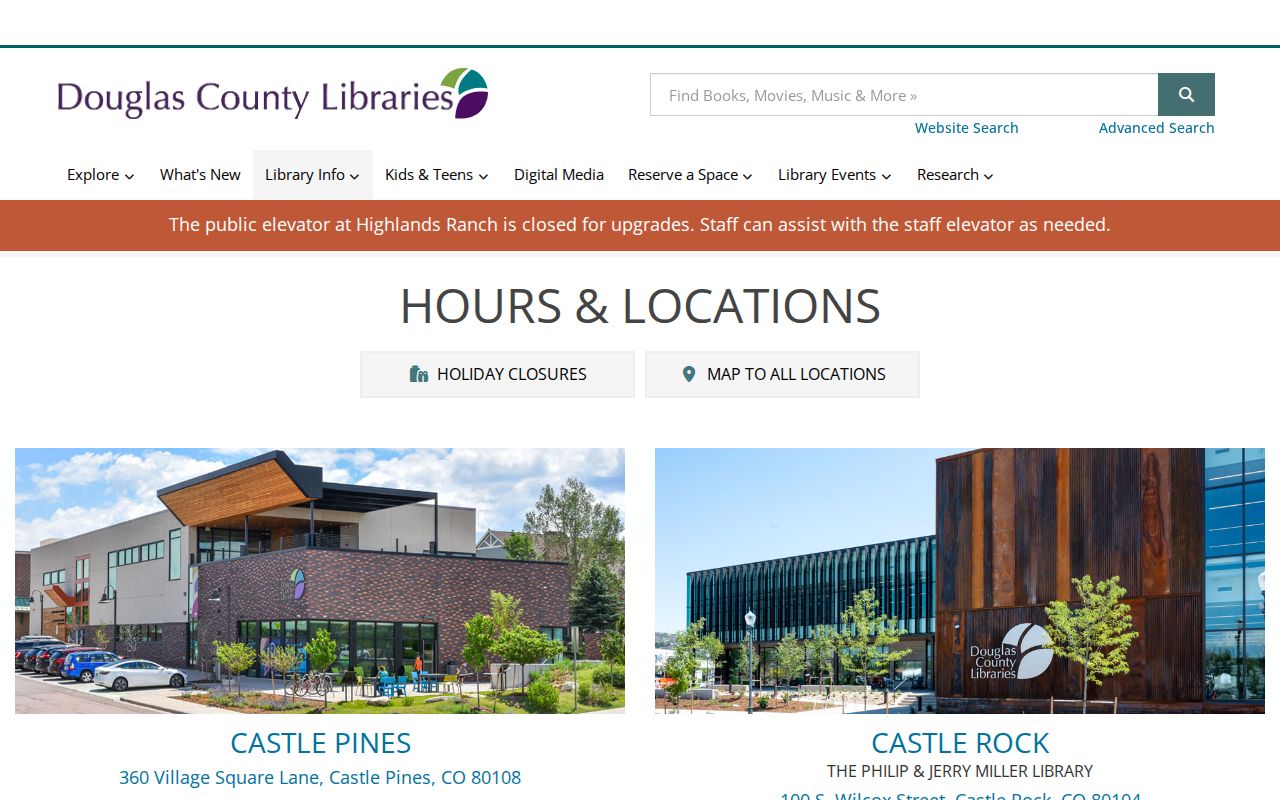
The branch and archive image belongs beside the access details because a Parker city directory question may need a staff-held print volume, not just a web result.
Parker Directory Entry Anatomy
A documented Parker entry should be read field by field. The research set confirms the general structure of Colorado directories, but it does not provide a captured Parker page, publisher, or local abbreviation key. Record the entry as it appears, including spelling, initials, street form, relationship marks, and page number. If a field is absent, write “not shown” rather than filling it from another source.
| Name | Resident or business name, with initials and spelling kept as printed. |
|---|---|
| Household note | Spouse, relative, widow, or other relationship notation when the volume prints it. |
| Occupation or business | Historical role or business field that can help separate people with the same name. |
| Address | House number and street, rural route, post-office label, or other place string. |
| Status mark | Owner or renter notation, boarder mark, or other publisher symbol when present. |
| Source control | Directory year, publisher or volume, page, archive, and abbreviation-key location. |
- Criss-cross directory
- An address-arranged part of a directory that lets a researcher start with a street and inspect nearby entries. Parker’s exact local run is not verified.
- Householder index
- An address-focused listing of owners, residents, and businesses. DPL guidance places householder directories generally from 1924.
- Abbreviation key
- The publisher’s guide to short forms and symbols. Find and capture it before reading marks such as a status or relationship code.
The terms help with method, not certainty. A directory is an annual snapshot. It may omit a household, use a prior street name, list a mailing place, or show a business address. Pair the page with another record before assigning a person to a parcel or date.
Parker Historical Place Clues
For family history, the person may be easier to find through a place than through a modern street string. DCL collections include cemetery, obituary, funeral, school yearbook, census, photograph, local-government, map, aerial, and oral-history material. DPL adds property files, newspapers, cemetery and mortuary routes, local history, and the Colorado Historic Newspapers Collection, which the research guide describes as more than two million pages across 553 titles from 1859 through 2020. A Parker title and year were not located, so the direct match needs librarian or archive confirmation.
Parker Area Historical Society material supplies named anchors such as the Pine Grove Post Office, 20 Mile House, Parker Cemetery, Parker Schoolhouse, Parker Garage, Ruth Chapel, Newlin Cemetery, the railroad, and historic homes. These names can lead to a photograph caption, oral history, landmark file, obituary, deed, or census place. They do not by themselves prove that a named person lived at a particular current address.
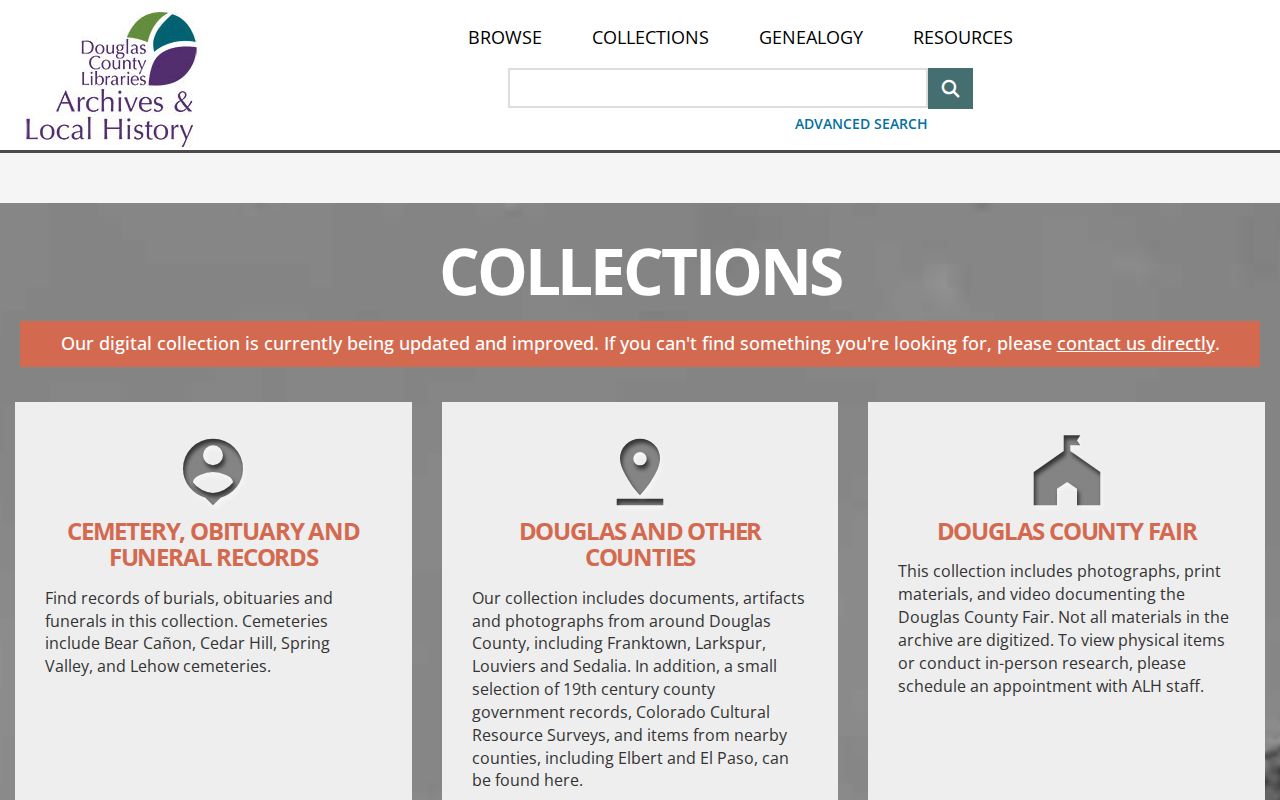
Those companion collections widen a Parker city directory search when a name disappears, changes spelling, or appears only in a place record.
Parker Directory Household Trails
Trace a household in small steps. Start with the question you can date, such as a family at a named place, then move between annual directories and decennial census schedules. The aim is not to make every year look complete. The aim is to keep each person, address, and source role distinct.
- Choose a directory year and search the DPL index by Parker, Douglas County, surname, or address when the volume permits. Note whether the index is name-arranged or address-arranged.
- Copy the full printed entry, including street string, spouse or relative notation, occupation or business, owner or renter mark, page, volume, and abbreviation key.
- Pair that entry with the nearest released census year: 1900, 1910, 1920, 1930, 1940, or 1950. Compare ages, birthplace, household members, street or township, and post-office label.
- Test a move or name change with a deed, newspaper, obituary, cemetery record, school yearbook, or State Archives file. Use the parcel legal description when an old rural label does not match a current street.
- Explain an absence. A person may have moved, died, been omitted, used a different place label, or fallen between directory and census dates. Do not treat a blank page as proof that a parcel was vacant.
The city directory page can show a bridge between census years, while a census can show a household member omitted from an annual volume. If the trail reaches a current person, stop at the dated public record and avoid turning historical clues into a present identity claim.
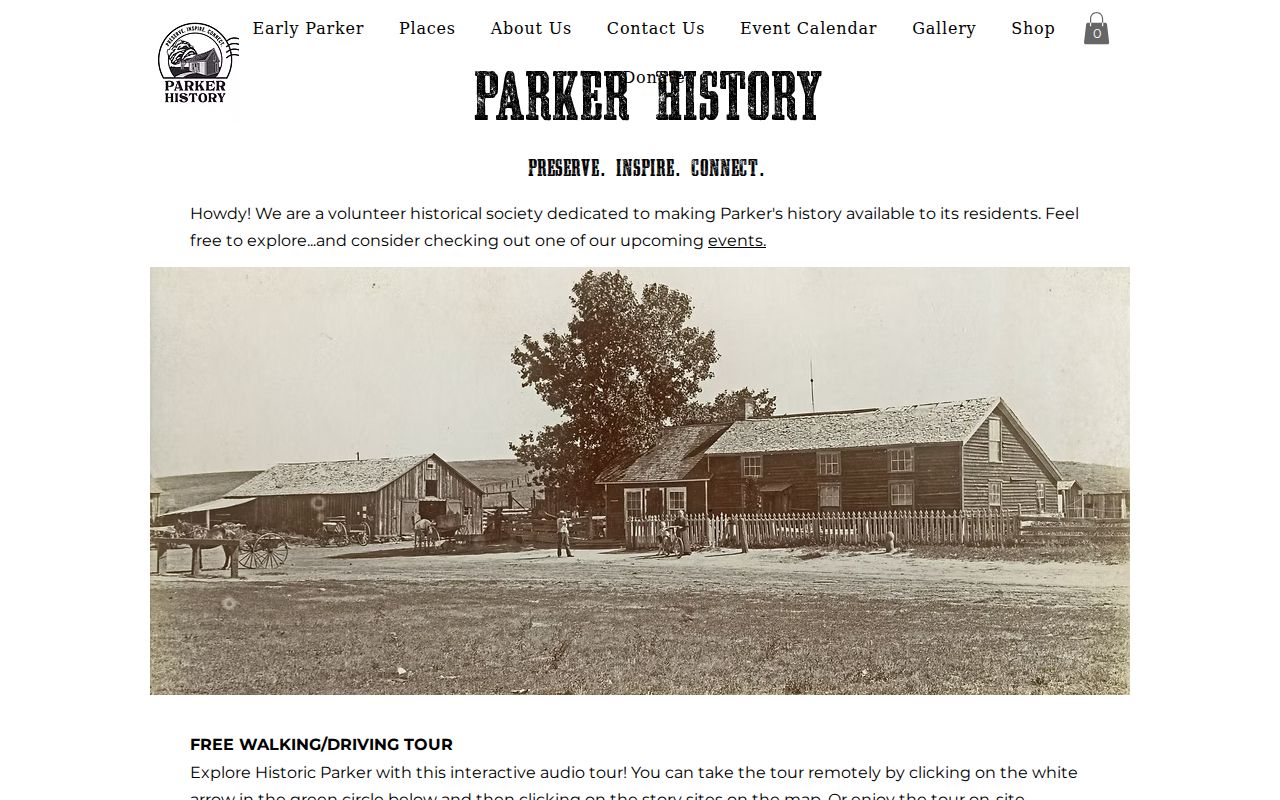
The historical society image fits this step because local place names can guide a census or directory search without replacing the source page.
Parker Directory Census Pairing
The National Archives provides federal census access from 1790 through 1950 under the 72-year release rule, making 1950 the latest released census in this research. A released schedule may show a person’s name, age, birthplace, parents’ birthplaces, immigration, street address, marriage, occupation, household, and property-value fields, depending on the year and schedule. The 1890 census is mostly destroyed, so a directory, newspaper, deed, or cemetery record may be the only bridge for that interval.
For each pair, write the census year, enumeration district or location label, household members, ages, birthplace, street or township, and image or page reference. Then compare the city directory entry without forcing the two records to agree word for word. Parker may appear as a post office, rural Douglas County place, Pine Grove, township, or later incorporated Town. A change in label can reflect boundary history, not a new family.
Colorado State Archives finding aids add older Douglas County record groups, including marriage records from 1864-1925, marriage licenses and certificates from 1868-1984, property certificates from 1874-1886, elections from 1876-1966, tax schedules from 1870-1876, education from 1900-1935, newspapers from 1890-1910, real-estate recordings from 1905-1926, and Public Trustee material from 1900-1940. Each range needs its own request and custody note.
Parker Directory Timeline
Parker’s record trail changes with the place itself. This short timeline keeps a directory result in its proper setting and shows why an old page may not use a current town name.
- 1860s: Parker history places Pine Grove Post Office and 20 Mile House context around 1862, George Long in 1864, and early railroad and settlement activity in the local story.
- 1873: DPL guidance places the general start of Colorado city directory series here. It is not a confirmed first Parker volume.
- 1924: DPL guidance places the general start of householder or address directories here. Parker’s specific volume and publisher remain unverified.
- 1981: Parker incorporated with about 285 residents and one square mile. Postal Parker labels already extended beyond the later Town boundary.
- 1992: DCL Archives & Local History was established after the Douglas County Historical Society disbanded, creating a local research home for county history.
- 2026: Town, County, and Parker History work on a Heritage Center reimagining, so museum access and collection interpretation should be checked before a visit.
A Parker city directory search is strongest when it states the record year, the place label, the collection or index, and the next record used to test the lead. That habit keeps a historical directory useful without making it say more than the page can support.